
I landed in Riyadh once with zero data sorted, and spent my first hour standing near a currency exchange counter hunting for the airport WiFi login page. Turns out it existed, I just couldn’t find it without, well, internet.
An eSIM for Saudi Arabia fixes that exact problem. It’s one of the easiest ways to stay connected the moment you land, no counters, no queues, no standing around wondering where the WiFi password is hiding.
Why an eSIM Beats the Airport Counter
Saudi Arabia’s main airports, King Khalid in Riyadh and King Abdulaziz in Jeddah, do have SIM counters from the big operators. But you’re looking at real queues:
- Sometimes 30 to 60 minutes, right after a long flight
- Paperwork and registration on top of the wait
- Everyone from your flight standing in the same line as you
An eSIM skips it entirely. Set it up before you fly, land, turn off airplane mode, and you’re connected. No counter, no forms, no waiting.
The Networks Behind It
Three operators run the show here, STC, Mobily, and Zain, covering close to the whole market between them. Most international eSIM providers route through Zain for visitor plans, though some use STC or Mobily depending on the specific plan.
5G now reaches more than 65% of the population across 64-plus cities. Real-world speeds in Riyadh, Jeddah, and Dammam typically land somewhere between 100 and 400 Mbps, genuinely fast, faster than most people expect walking in.
A few quick notes on each network:
- STC tends to lead for rural and remote coverage, mountain routes, and highways
- Mobily performs strongly in urban areas, especially Riyadh and the Eastern Province
- Zain is the network most commonly used by international eSIM providers
If your trip stays mostly in cities, honestly, any of the three will treat you fine.
Traveling for Umrah or Hajj? Read This Part
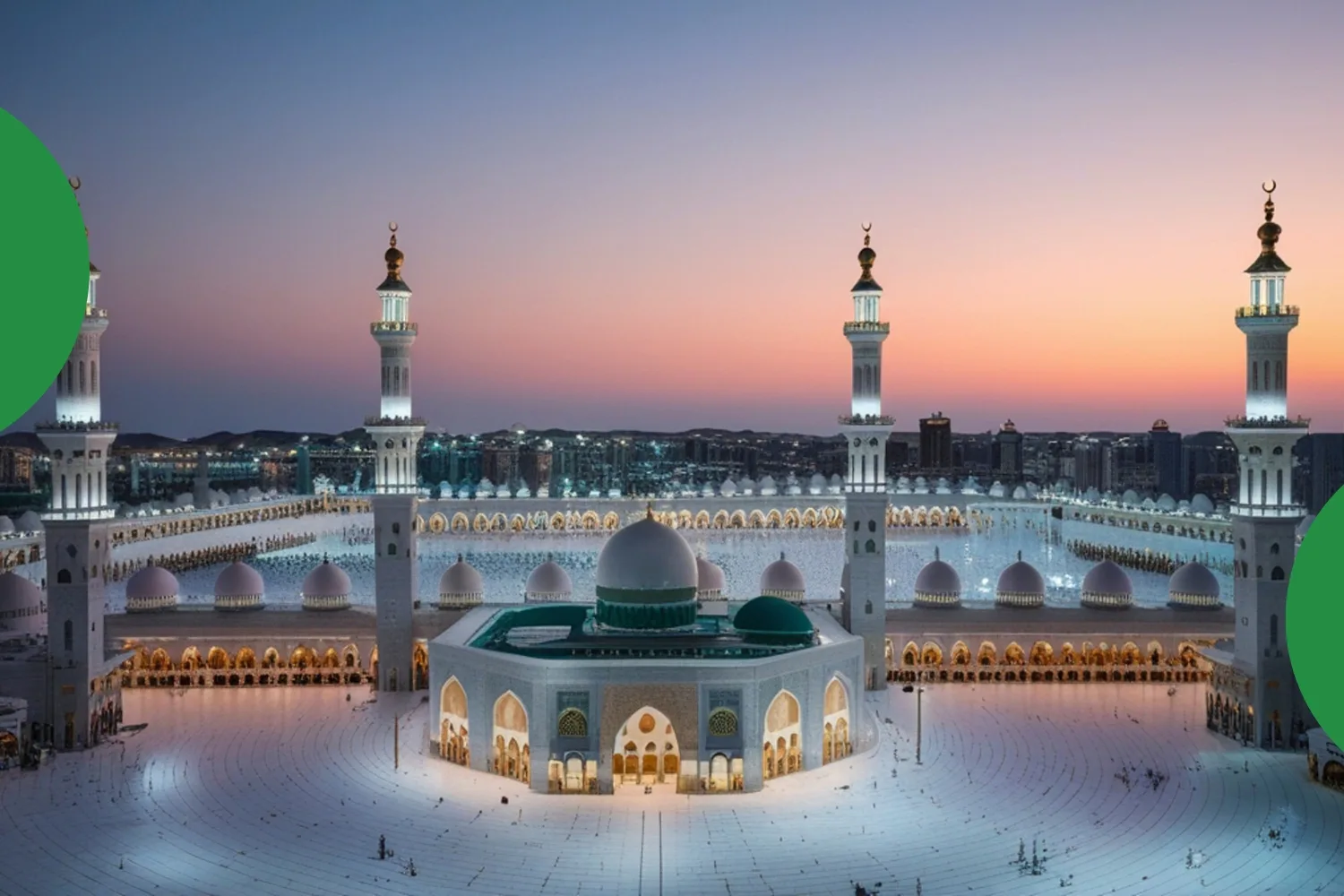
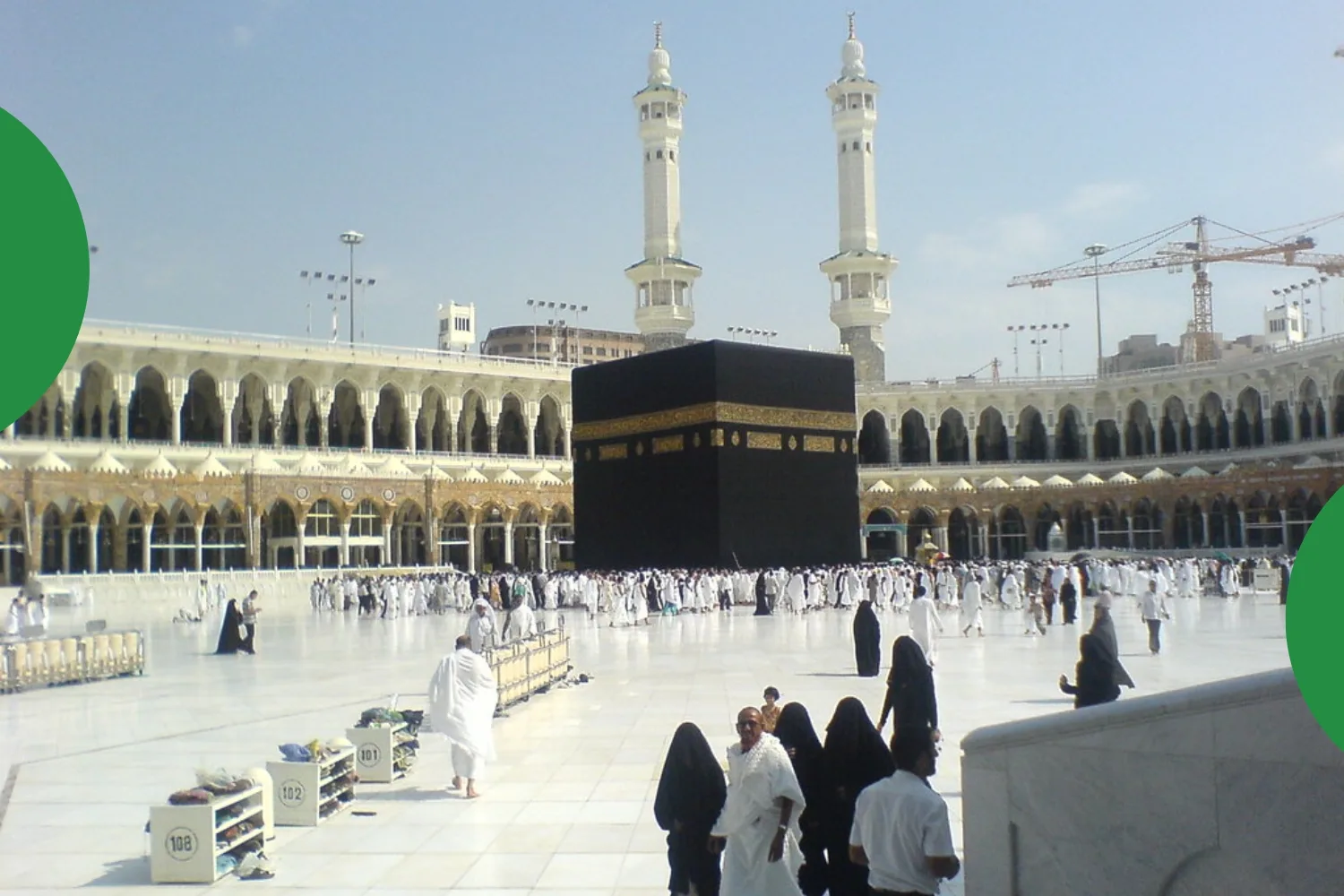
This one genuinely matters if the holy sites are part of your trip. STC has invested heavily in indoor antenna infrastructure at Masjid al-Haram and Masjid al-Nabawi, and tends to hold up best during the heaviest crowd periods.
Here’s the part that trips up a lot of pilgrims, though. Most international eSIMs are data-only. No local phone number means no local SMS, and that includes:
- Banking OTPs
- Nusuk permit updates
- Hotel and transport coordination messages
If receiving local SMS matters for your trip, and for most pilgrims it genuinely does, a physical local SIM alongside your eSIM is worth having, not instead of it, just alongside it. For regular tourists just using maps and messaging apps, this isn’t really an issue at all.
What About WhatsApp Calls?
For years, Saudi Arabia restricted VoIP services, including WhatsApp voice and video calls, which caught a lot of visitors off guard mid-trip. That’s shifted recently, with plenty of users now reporting WhatsApp calls working fine over local networks. Worth double-checking closer to your travel date since these things can change, but it’s genuinely better than it used to be.
How Much Data Do You Actually Need?
A week-long trip with normal usage, maps, messaging, some browsing, typically needs somewhere between 3 and 10GB. Heavier users, lots of video calls, constant photo uploads, should size up from there.
Worth knowing before a desert road trip: routes between AlUla and Tabuk, or stretches of the Empty Quarter, thin out on every single network. That’s just the terrain, not a bad eSIM choice.
Setting It Up Before You Fly
Genuinely simple process. Buy your plan, get a QR code, scan it into your phone settings, done. Most providers let you activate right away or set it to switch on automatically the moment your phone detects a Saudi network, useful if you’ve got a layover somewhere first.
Do this the day before you fly, not at the gate. Takes a few minutes and it’s one less thing to think about after a long flight.
Get Yours Sorted Before You Land
A Commbitz eSIM for Saudi Arabia activates before you even board, so you land already connected instead of hunting for a SIM counter or a WiFi login screen the way I did that first time in Riyadh.
A Few Facts Worth Knowing
- Three operators, STC, Mobily, and Zain, control roughly 99% of the market
- 5G covers over 65% of the population across 64-plus cities
- Real-world 5G speeds in major cities often hit 100-400 Mbps
- Most international eSIMs don’t support local SMS or OTPs
- STC generally provides the most stable connection at Mecca and Medina during peak crowds
FAQs
Which network is best for an eSIM in Saudi Arabia? Most providers use Zain, STC, or Mobily. STC tends to lead for rural coverage and the holy sites, while Mobily performs strongly in major cities.
Will my eSIM work for Umrah or Hajj? For data, yes. For receiving local SMS like Nusuk permit updates or hotel coordination, you’ll likely need a physical local SIM alongside your eSIM.
Is 5G available across Saudi Arabia? Yes, in major cities including Riyadh, Jeddah, and Mecca, though coverage thins out in remote desert areas.
How much data do I actually need for a week? Typically 3 to 10GB for normal use, more if you’re on video calls or uploading a lot of photos.
Can I make WhatsApp calls on a Saudi eSIM? It’s improved a lot recently, with many users reporting WhatsApp calls now work fine, but it’s worth checking current status closer to your trip.
Final Thoughts
Saudi Arabia’s mobile network is genuinely more advanced than a lot of travelers expect, fast, wide-reaching, and easy to tap into with the right eSIM. Just remember the SMS limitation if you’re traveling for Umrah or Hajj, and pack a local SIM alongside your eSIM if permit updates matter for your trip. Set your connectivity up before you fly, and the rest of the trip just runs a lot smoother.
Get 10% OFF — Download Our App Now!
Enjoy instant savings when you buy eSIMs through our app.