
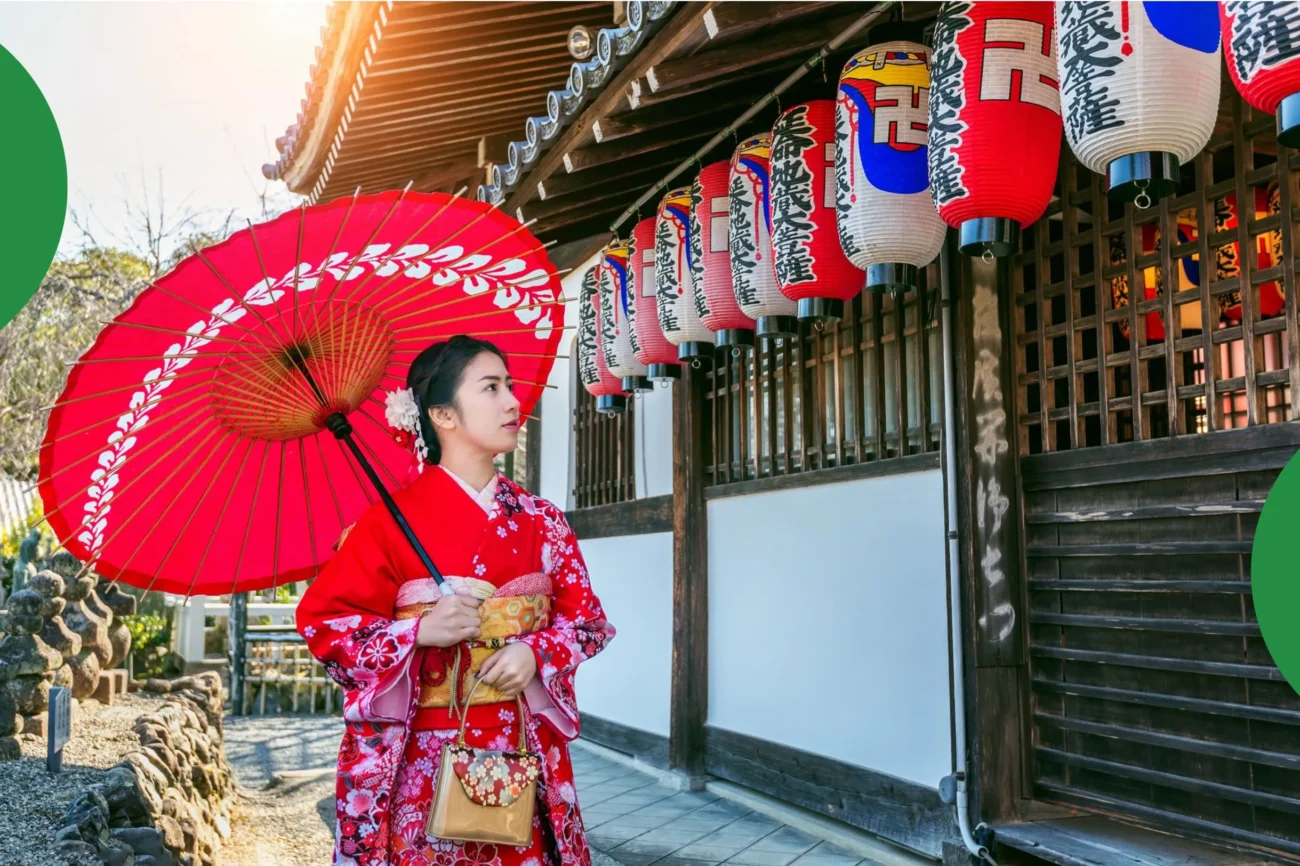
I was standing on a side street in Kyoto, sweating through my shirt in the July heat, trying to figure out which way the parade was coming from. Then I heard it this deep, steady boom that you feel more in your chest than your ears. And slowly, this enormous float came around the corner. Silk tapestries. Golden decorations. A team of men in white pulling it with thick ropes, moving in perfect rhythm.
I genuinely got goosebumps.
If you’re thinking about coming to Gion Matsuri Kyoto 2026, go. Don’t overthink it. But do read this first, because a little preparation can make the difference between stressful and magical.
Okay, So What Actually Is Gion Matsuri?
It’s a festival. But calling it “just a festival” is like calling the Grand Canyon “just a hole in the ground.”
Gion Matsuri has been running every single July in Kyoto for over 1,100 years. It started in 869 AD when a terrible sickness was spreading through the city. The people prayed at Yasaka Shrine, asking for protection. The illness passed. And they never stopped celebrating.
Today it runs the entire month of July. The centerpiece is a parade called the Yamaboko Junko, where these incredible floats, some three storeys tall, get pulled through the streets of central Kyoto. The tapestries hanging off them aren’t replicas. They’re originals. Some are 400 years old. You’re basically watching a moving museum.
The whole thing is free to watch. That still amazes me.
The Dates You Actually Need to Save — Gion Matsuri 2026
The festival runs all of July, but here’s the honest breakdown of what matters:
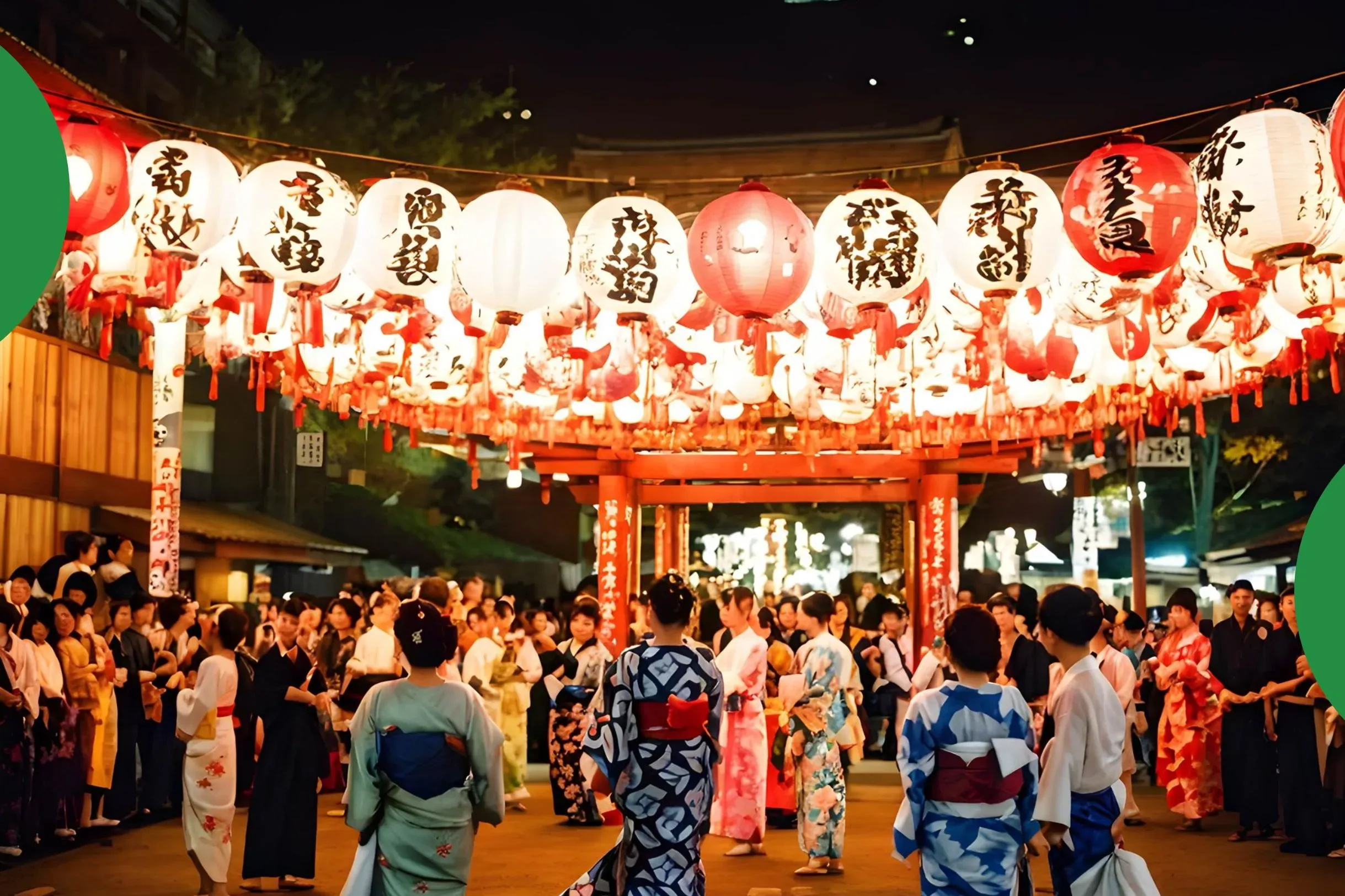
July 14, 15 & 16 — The Yoiyama Evenings. This is my personal favorite part of the whole festival. Roads get closed to traffic. Paper lanterns come on. Food stalls pop up on every corner. Old wooden townhouses open their front rooms and display centuries-old art and heirlooms that normally nobody gets to see. You just walk in, look around, and walk out. No ticket. No velvet rope.
The whole district smells like grilled food and summer. Everyone’s in a yukata. Music drifts out of alleys. It honestly feels like you’ve stepped into a different century.
July 17 — The First Big Parade (Saki Matsuri). This is the main event. The front floats move through central Kyoto along Shijo and Oike Avenues. People start claiming spots at 8 am. Wear sunscreen. Bring water. And stand somewhere with a clear view of a corner, that’s where the float-turning happens, and it takes 30 people and absolute coordination to swing those things around. Jaw-dropping every time.
July 24 — The Second Parade (Ato Matsuri), The rear floats get their day. Slightly smaller crowds than the 17th, which honestly makes it a nicer experience for some people.
July 31 — Closing Ceremony: A quiet, spiritual ritual at Yasaka Shrine. Worth seeing if you’re still in town.
If I had to pick just one window? July 14–17. You get the magic of Yoiyama AND the big parade. That’s the full experience.
Why Gion Matsuri Hits Different From Other Festivals
I’ve been to a lot of festivals in Japan. Cherry blossom parties, fireworks nights, summer markets. They’re all great. But Gion Matsuri has this weight to it that the others don’t.
Maybe it’s knowing that the same streets looked almost identical 500 years ago. Maybe it’s the fact that local families in Kyoto spend months preparing their floats, hanging their heirlooms, rehearsing their music not for tourists, but because it’s what their family has done for generations.
You’re not watching a performance. You’re watching a living tradition.
And the food. I need to talk about the food. Takoyaki (little octopus balls), yakitori on skewers, massive grilled corn slathered in butter, and shaved ice in flavors I couldn’t even identify. I ate embarrassingly much. Zero regrets.
Real Tips for First-Timers (Things I Wish I’d Known)
Book your hotel now. Not “soon.” Now. Kyoto in July is one of the most booked-out times of year. Good options in or near Gion disappear months in advance. Staying in Osaka and day-tripping works fine — it’s only 15 minutes by bullet train, but if you want to walk back to your room at midnight through lantern-lit streets, book in Kyoto.
Carry cash. Almost every food stall and smaller vendor is cash-only. Japan still runs on yen, especially at festivals. The ATMs inside 7-Eleven and Japan Post offices take international cards reliably.
Wear the right things. It’s hot. Like, really hot. Kyoto in July is humid and sweaty and wonderful. Wear light cotton. Comfortable shoes, you’ll walk 20,000 steps easily. And if you want to rent a yukata for the Yoiyama evenings, do it. Loads of shops around Gion offer them for 2,000–3,000 yen. Worth every single yen.
Don’t just stay on Shijo Avenue. Everyone goes to Shijo. The quieter side streets running parallel are where you find the intimate float displays, smaller crowds, and the real heart of Yoiyama. Wander. Get slightly lost. That’s where the best memories happen.
Connectivity Tips — Because Getting Lost at Gion Matsuri Is Not the Fun Kind of Lost
Here’s what no travel guide tells you: Gion Matsuri is absolutely packed. Tens of thousands of people crammed into narrow streets. Public WiFi in Japan is patchy at the best of times — in these crowds, it’s basically decorative.
You need your own internet connection. Full stop.
eSIM for Japan is the easiest option if you’re traveling solo. Before you even board your flight, buy a Japan eSIM plan online. Prices start around $10–15 for decent data. When you land at Narita or Kansai airport, it’s already active, no store, no queue, no fumbling with a tiny SIM pin. Most modern phones support it (iPhone XS and later, most recent Android models). If you’re not sure, Google your phone model plus “eSIM compatible” right now.
Pocket WiFi makes more sense if you’re with a partner, family, or friends. You rent a small device — pick it up at the airport rental counter or have it mailed to your accommodation — and everyone’s phones connect to it like a personal hotspot. Costs around $5–10 per day. Unlimited data plans exist. Split between two or three people, and it’s almost nothing.
One thing I always do before any crowded event in Japan: download the offline map for Kyoto in Google Maps before I leave my hotel. Takes two minutes. If your signal drops in the middle of a packed alley at 10 pm and you can’t find your way back to the subway, and trust me, that alley all looks the same in the dark, you’ll have a map that still works.
Don’t skip this. It’s saved me more than once.
Stuff to Avoid (Learn From My Mistakes)
Don’t try to drive. Roads close for parade days and Yoiyama evenings. Use the Kyoto City Subway. It’s reliable, air-conditioned, and actually runs on time.
Don’t touch the floats. They look touchable. They are not touchable. These are sacred, centuries-old objects. Appreciate from a respectful distance.
Don’t show up to the parade at noon. The good spots go by 8–9 am. Bring a mat to sit on, breakfast from a convenience store, and settle in early. The atmosphere building up to the parade is half the fun anyway.
Don’t forget a portable charger. With Google Maps, photos, videos, and messaging, your battery will be dead by 3 pm without one. A small power bank is one of the best things you can pack for Japan in general.
So… Should You Go?
Yes. Obviously yes.
Gion Matsuri Kyoto 2026 is one of those experiences that sounds impressive when you describe it, but feels indescribable when you’re actually there. The drums. The floats. The lanterns reflected off wet cobblestones. Old men carefully arranging tapestries that their great-grandfathers hung before them.
It’s history that’s still breathing.
Sort your dates around July 14–17. Get your eSIM or Pocket WiFi before you leave home so you’re connected from the moment you land. Download those offline maps. Pack light, carry cash, and give yourself at least one night to just wander Yoiyama with no plan at all.
Some of the best moments in travel aren’t the ones you planned. They’re the ones you stumbled into because you left space for them.
Kyoto will give you plenty of those. 🏮
Quick FAQs
Is Gion Matsuri actually free? Most of it, yes. Watching the parade from the street, exploring Yoiyama, and visiting Yasaka Shrine are all free. There are paid grandstand seats if you want a guaranteed elevated view of the parade, but you absolutely don’t need them.
What are the best dates to visit Gion Matsuri Kyoto 2026? July 14–17 gives you the full experience, three Yoiyama evenings plus the first big parade. If you can only do one day, make it the evening of July 16th into the morning of July 17th.
How do I get to Kyoto from Tokyo? Shinkansen from Tokyo Station to Kyoto Station. About 2 hours and 15 minutes. It’s one of the great train journeys in the world. Book ahead, July trains fill up.
Do I really need an eSIM or a Pocket WiFi? If you want to use Google Maps, send photos, meet up with people in a crowd, or basically function normally, yes. Public WiFi in Japan can’t keep up with festival crowds. Get an eSIM before you fly if you’re solo. Pocket WiFi if you’re in a group. You’ll thank yourself immediately.
Can I bring kids to Gion Matsuri? Kids love it. Giant floats, glowing lanterns, endless street food, it’s basically a child’s dream evening. The Yoiyama nights are the best for families since you can wander at your own pace. Keep them hydrated. July heat in Kyoto is no joke for little ones.
Get 10% OFF — Download Our App Now!
Enjoy instant savings when you buy eSIMs through our app.