

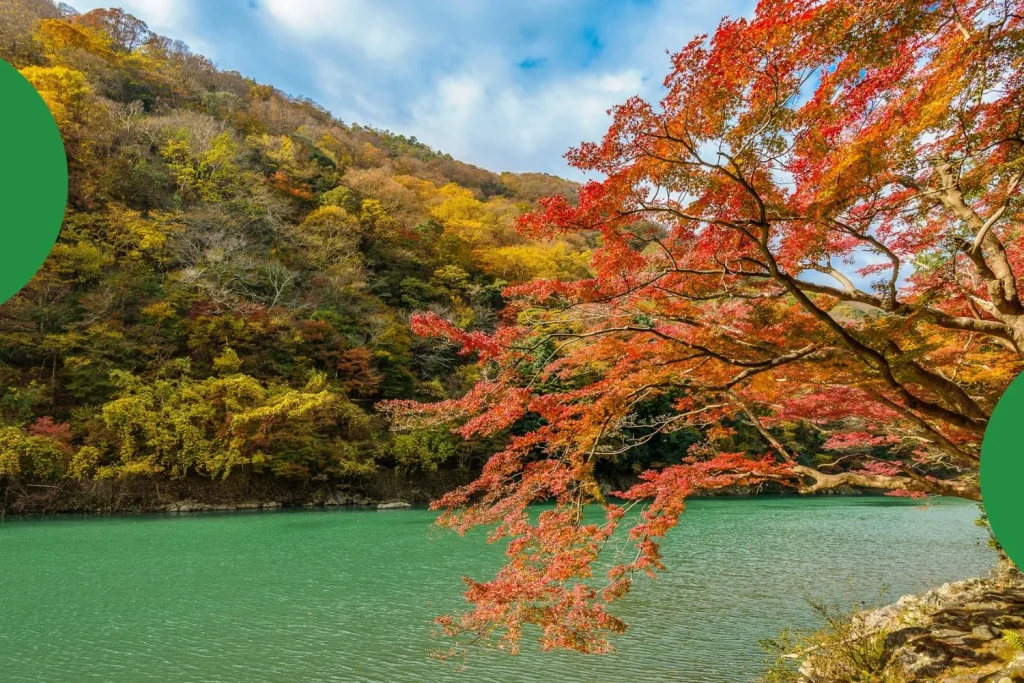
🍁 Japan’s autumn is ridiculous. In a good way. Kyoto’s maples go deep red, Tokyo’s ginkgo streets turn gold, and you’ll take about 400 photos before lunch.
But here’s what nobody tells you until you’re standing in Shinjuku station, lost: you need data. Not “nice to have.” Need. So let’s sort out your Japan eSIM before the flight.
🍂 Why Data Matters More in Japan’s Autumn Foliage Season
Leaves don’t change on a timetable. Hokkaido goes first, around October. Kyoto and Tokyo usually peak in late November, sometimes slipping into December. Some years it’s early. Some years you get unlucky.
So plans change. A lot. You read that Nikko peaked last week, and suddenly you’re rebooking a train. Try doing that with no internet.
What you’ll actually use data for:
- Japan’s autumn Foliage forecasts (check them daily)
- Google Maps and train times
- Translating menus and signs
- Sending photos home
Hotel Wi-Fi won’t cut it. You’ll hardly ever be at the hotel.
eSIM vs the Other Options
Quick, honest take.
Indian roaming works, but the data is small, and the bill isn’t.
Pocket Wi-Fi is a pain when you’re hopping between cities. You pick it up, charge it, carry it, return it. Forget the charger once and your morning is gone.
Tourist SIMs mean pulling out your Indian SIM. Then your bank OTPs stop coming.
An eSIM skips all of that. Buy online, scan a QR code, done. No counter, no queue.

Where Commbitz Fits In
If you want a hassle-free way to stay connected, a Commbitz eSIM is worth considering. Set it up before your trip to start in Japan’s autumn, and you’ll be ready to connect as soon as you arrive without waiting in queues at airport counters or SIM shops after a long flight.
Check the Commbitz site for the latest details before you buy.
Need data in Japan?
Japan eSIM plans from $2.91. Instant setup, no physical SIM needed.
📊 How Much Data Do You Need?
Depends on how you travel.
- One week, Tokyo and Kyoto: 5 to 10 GB is usually fine
- Two weeks, or working while you travel: go higher
- Lots of reels and video calls: go a lot higher
Maps and messages barely use anything. Video eats data.
Also check how many days the plan lasts. A plan that runs out before your trip does leaves you stuck at the end. Not fun.
⚙️ Setting It Up
Takes about five minutes.
- Check your phone. It needs eSIM support and no network lock. Dial *#06# and look for an EID number.
- Buy your plan online. Pick the data and days you need.
- Scan the QR code at home. Use your own Wi-Fi. Airport Wi-Fi is slow and annoying.
- Switch it on after landing. Select the eSIM for mobile data.
- Turn off data roaming on your Indian SIM. Otherwise, you may get a bill you’ll regret.
🔑 Keep Your Indian SIM On
Most phones run two SIMs at once. So the eSIM handles data, and your Indian number stays active for calls and OTPs.
No missed bank messages. No panicked call to your bank from a Kyoto temple.
🏔️ What About Signal at the Foliage Spots?
Cities are easy. Tokyo, Kyoto, Osaka, and Nara usually have strong signal, even around crowded temples.
Mountains are a different story. Nikko, Hakone, the Kiso Valley, the Japanese Alps, and Hokkaido’s parks all have dead spots, especially on forest trails.
Before you head out:
- Download offline maps in Google Maps
- Screenshot your train tickets
- Save your hotel’s name in Japanese
That last one saves you with taxi drivers.
💡 A Few Things I’d Do Differently
- Go early. Kiyomizu-dera and Arashiyama are packed by mid-morning. Aim for 7 a.m.
- Carry a power bank. Maps and photos drain your battery faster than you think.
- Check a foliage forecast before booking anything you can’t cancel.
📚 More Reads You Might Like
- Best eSIM for Cambodia from India: Angkor Wat and Beyond.
- Winter Mediterranean Cruises Are Growing: How to Stay Connected Across Countries
❓ FAQs
What’s the best Japan eSIM for Japan’s autumn travel? The one that fits your trip length and data use. Compare a few providers, Commbitz included, and read recent reviews.
When is Japan’s autumn foliage season? About October in Hokkaido, and mid-to-late November in Kyoto and Tokyo. It shifts every year.
Will my eSIM work in the mountains? Sometimes. Remote trails and valleys can lose signal, so keep offline maps ready.
Can I still get OTPs on my Indian number? Yes, if your Indian SIM stays active for calls and SMS. Check roaming charges with your operator first.
When should I install the eSIM? Before you fly, on home Wi-Fi. Switch it on after landing.
How much data do I need for a week? Around 5 to 10 GB for most people.
🍁 Final Thoughts
Japan’s autumn is worth the planning, and a Japan eSIM takes one worry off the list.
Set up your Commbitz eSIM before you leave. Keep your Indian SIM for OTPs. Save offline maps for the mountain days.
Then put the phone down for a bit. The leaves are the whole point. 🍂
Get 10% OFF — Download Our App Now!
Enjoy instant savings when you buy eSIMs through our app.